We can't find the internet
Attempting to reconnect
Something went wrong!
Attempting to reconnect
Read once. Play forever.
Tianshu reads your book once, at build time. A small deterministic engine plays what you approved — same seed, same log, same fight.
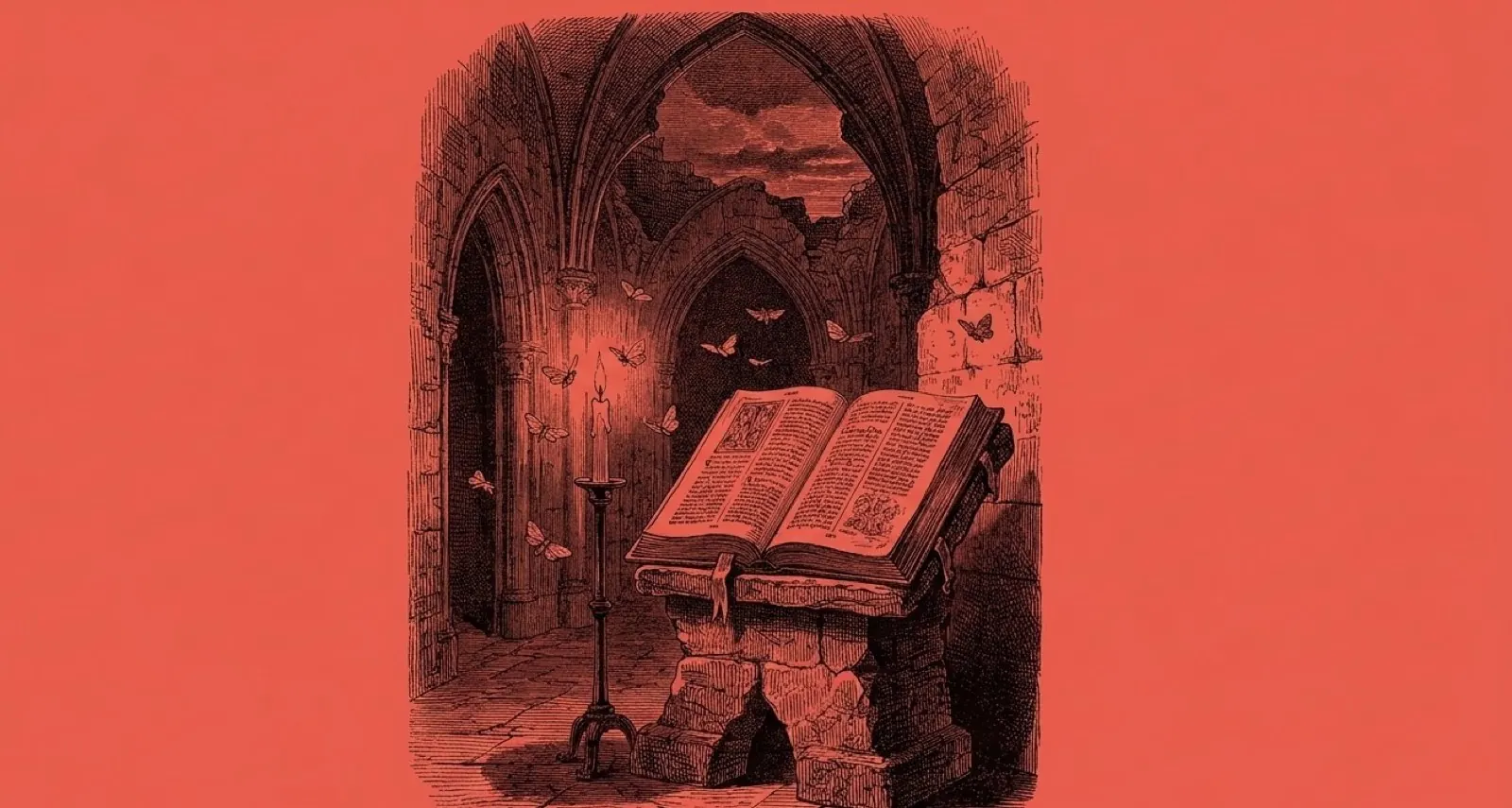 Plate i · the tome
Drop in the PDF. Tianshu reads it once and builds the ruleset — actions, rolls, conditions — with five visible steps and a page that says what broke.
The ruleset sheet, in plain words. Fix a broken action in place, add house rules in English, approve. Nothing plays that you have not read.
Invite by link; players sit down from a phone and can keep their character, experience and all, for the next session. Story, fight and what-happens-next, with every roll resolved by the book.
One event log per session. Step back through any fight, and give every player a recap and a shareable pin afterwards.
Say it once.
The table enforces it.
Prose in, an enforced delta out — add, merge or remove per action, so a typo can’t silently no-op. Nobody else does this.
- Enhanced Attack · save STR → condition dead
- New condition dead · permanent
The ruleset is data.
The engine is arithmetic.
A ruling is a lookup in the ruleset you approved; a roll is a seeded die. That is why every session replays exactly.